
Core Guide
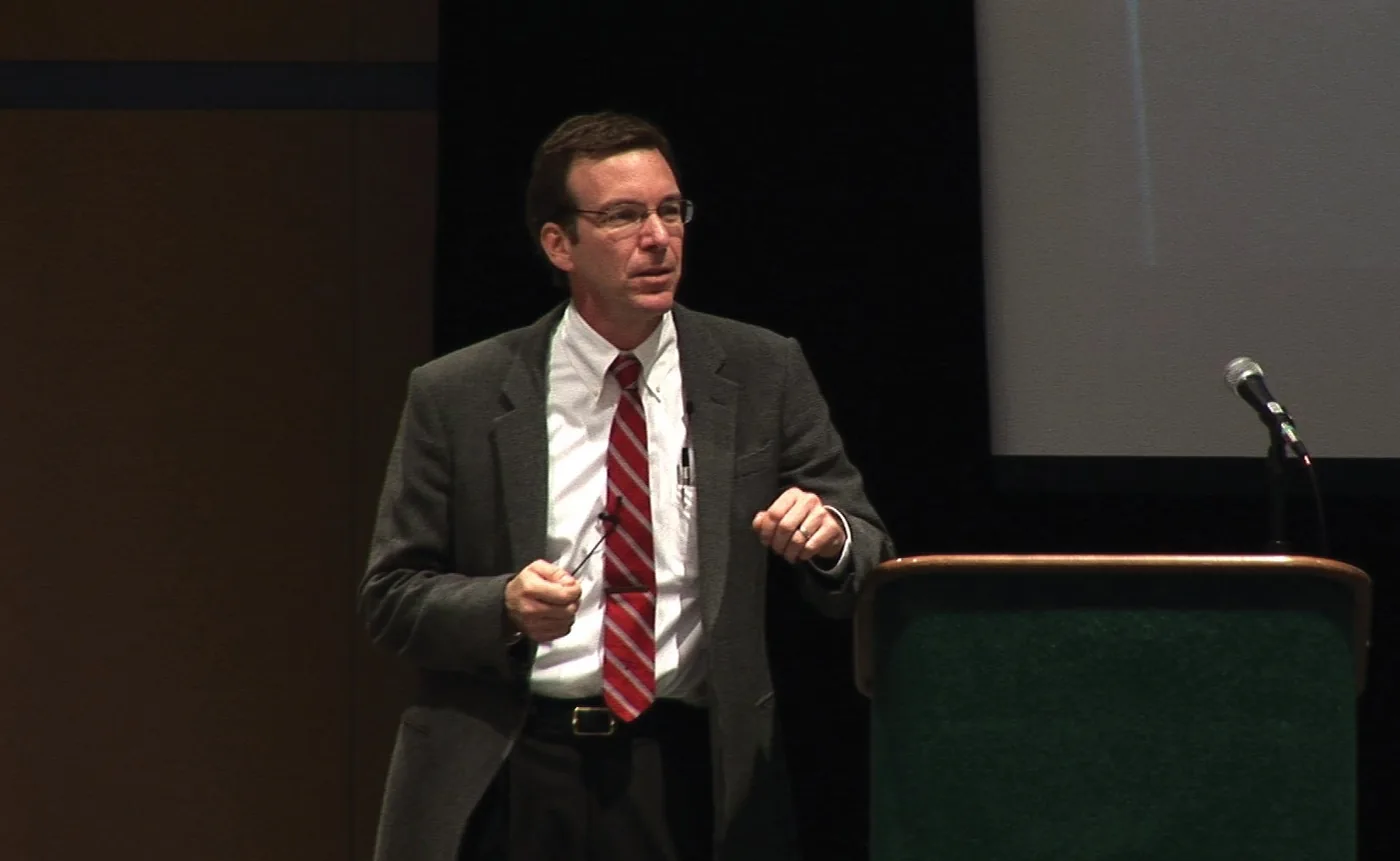
The Work of Rick Friedman
Trial Lawyer · Author · Teacher
Rick Friedman’s work has helped shape modern trial advocacy for decades. Across five books, he has examined trial practice from both directions: the case the lawyer must build and the lawyer who must become capable of trying it.
His earlier work gave trial lawyers concrete methods for confronting some of the hardest problems in civil litigation. Rules of the Road, written with Patrick Malone, developed a systematic method for identifying the rules that define reasonable conduct and using them to establish responsibility throughout a case.
Polarizing the Case confronted the defense accusation that an injured plaintiff is exaggerating or malingering—and taught lawyers to expose the moral implications of that attack rather than retreat from it.
The Elements of Trial, written with Bill Cummings, turned to the architecture of trial itself: investigation, witness preparation, jury selection, examination, closing, and the lawyer’s own effect on the proceeding.
From Trying Cases to Becoming a Trial Lawyer
A Body of Work That Kept Growing
But Friedman’s work did not stop with technique. Over time, the inquiry became larger.
Becoming a Trial Lawyer asks what it means to develop over the course of a career rather than simply accumulate techniques. The Way of the Trial Lawyer: Beyond Technique moves further inward, examining the fears, habits, and internal obstacles that affect how lawyers practice their craft.
That lifelong-development inquiry is carried forward in Ethos Advanced.
That progression matters at Ethos. A lawyer may learn how to construct a rule, organize a case, or conduct an examination—but eventually every technique reaches the same point: it has to pass through the advocate.
The lawyer’s judgment matters. The lawyer’s credibility matters. The lawyer’s willingness to confront weakness matters. And the lawyer’s capacity to remain fully present when the trial departs from the plan matters.
At that point, trial advocacy becomes inseparable from the development of the trial lawyer. That idea is foundational to Ethos.
Moral Core Advocacy
What the Case Actually Stands For
Another important strand of Friedman’s work concerns the moral core of the case.
Cases are not meaningful to jurors simply because one side has satisfied a legal element. Human beings also evaluate conduct: who had responsibility, what should have happened, and whether the explanation offered fits their understanding of right and wrong.
Finding the moral core requires more than attaching moral language to an argument. The lawyer must understand what the case actually stands for—which requires the courage to examine the whole case: the favorable facts, the difficult facts, and the lawyer’s own assumptions about what makes the case just.
At Ethos, that inquiry becomes part of the larger work of discovering what a case is truly about.
A Body of Work, Not a Formula
There Is No Point at Which Development Is Finished
Rick Friedman’s contribution to Ethos cannot be reduced to a single technique. His work spans responsibility, case construction, credibility, moral clarity, and the lifelong work of becoming a trial lawyer.
That breadth reflects an important Ethos principle: there is no point at which the development of the advocate is finished. The lawyer who has tried a hundred cases may need different training from the lawyer preparing for a first trial—experience does not eliminate the need for growth, it changes where the growth must occur.
A Signature Ethos Methodology
Building the Case
Building the Case (BTC) is one of the signature methodologies taught at Ethos, developed by Ethos guide Leigh E. Johnson. It gives advocates structured ways to examine the events of a case alongside the people, relationships, and pressures that give those events meaning.
Its central Story Spine helps lawyers move beyond a chronology of what happened to explore causation, consequence, and meaning. BTC can be used throughout case preparation—from early development through voir dire, witness preparation, and closing.
Building the Case treats story as a method of investigation rather than a narrative imposed upon evidence after the case has been developed.
Its central proposition is: Story is identity under pressure.
It is one method within the larger Ethos curriculum, and it reflects a principle shared throughout our work: before we can illuminate a case for someone else, we must learn to see it ourselves.
Learn About Leigh Johnson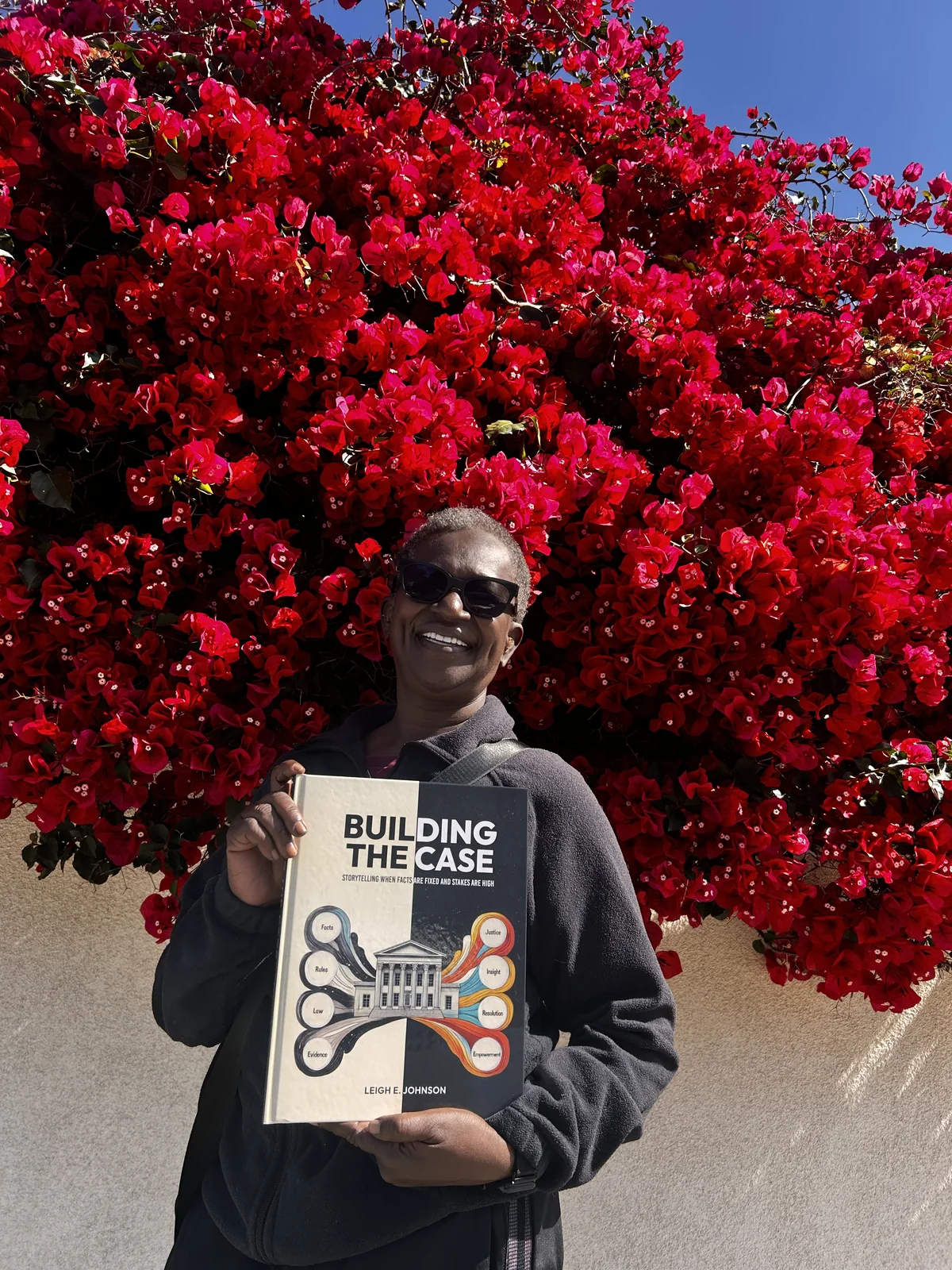
Selected Writing
The Addiction Destroying the Plaintiffs’ Bar
In this essay, Rick confronts a culture of money and attention that he believes is quietly eroding the plaintiffs’ bar from within—and offers a candid, personal starting point for pushing back.
Read the Essay →